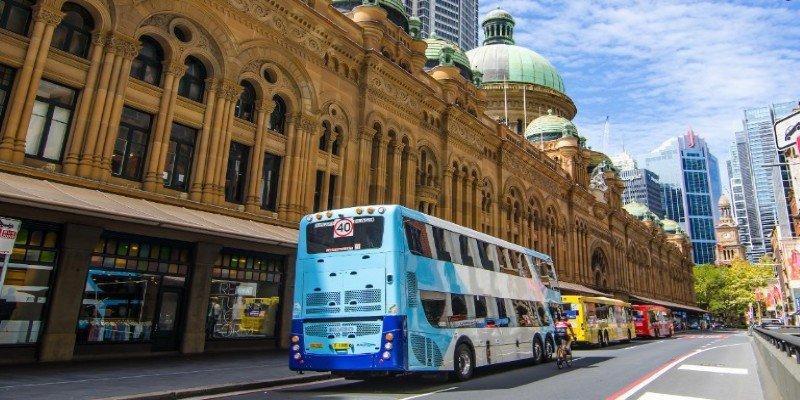
Sydney spreads across a wide coastal area, and picking the right base can shape the entire stay. Some areas feel crowded and slow during peak hours, while others offer calm streets, clean air, and reliable connections. Access to trains, ferries, or light rail matters just as much as nearby parks or walking paths. This guide looks at areas that balance daily comfort with practical transport links, based on real travel patterns and common challenges visitors face.
Best Places to Stay in Sydney for Clean Living and Easy Transport
Bondi and North Bondi
Bondi gets the headlines, yet the best version shows up early. At sunrise, the promenade is quiet, locals pace the coastal track, and the grass around Bondi Park feels like a reset button. Later in the day, traffic builds on Campbell Parade, and the air can feel heavier inland, so staying close to the water pays off. Getting around is straightforward but bus-heavy.

Services run to Bondi Junction for the train, and on hot weekends, the mid-morning queue can stretch, so leave before breakfast or after lunch. North Bondi suits longer stays, with supermarkets and everyday cafés nearby. Summer rates jump fast, so lock in dates well ahead. A balcony and earplugs help at night.
Marrickville
Marrickville sits in the Inner West and has gained attention for its open spaces and community feel. Streets include parks, small gardens, and cycling routes. It feels less pressured compared to central areas. Train lines from Marrickville Station connect directly to the downtown, and buses fill in gaps for nearby suburbs.
Travel times remain steady, though morning peak hours can bring crowded carriages. Food options stand out, especially for fresh produce and varied cuisines. This helps travelers maintain specific diets or routines. Short-term rentals here tend to stay more affordable than coastal areas, though availability tightens during festival periods and school holidays.
Chatswood
Chatswood offers a mix of residential calm and strong transport links. Located on the North Shore, it has direct train and metro access into central Sydney, with frequent services even outside peak hours. Parks like Chatswood Oval and nearby bushland reserves provide space for outdoor time. Air quality generally feels better than in inner-city districts with heavy traffic.
The area works well for longer stays, especially for those balancing work and travel. Apartments often include more space compared to city hotels. One drawback is that evening activity slows earlier than in central areas, which may not suit visitors looking for late-night dining options.
Surry Hills
Surry Hills sits close to Central Station, making it one of the most connected areas in Sydney. Trains, buses, and light rail options all run nearby, cutting down travel time across the city. Despite its central location, pockets of Surry Hills include tree-lined streets and small parks. Prince Alfred Park offers open space for walking or light exercise.
This area suits short stays due to its convenience, though noise levels can rise, especially on weekends. Booking a place away from main roads helps avoid constant traffic sounds. Accommodation prices fluctuate depending on major events and conferences, so rates can shift quickly.
Manly
Manly feels like a breather from the downtown without cutting you off from it. Most days start with a ferry ride, a reliable half-hour across the harbour that doubles as a reset, salty air, skyline views, and commuters sipping coffee. On land, the foreshore walk and the track to Shelly Beach suit early swims, stroller laps, or a slow sunset loop.
Buses back up the ferries, but the boat is the easy choice. Peak-hour services can be packed, and the late runs are fewer, so dinner plans need a quick timetable check. Book ahead, especially around school holidays and long weekends.
Glebe
Glebe combines proximity to the city with a quieter residential feel. It sits near Blackwattle Bay, offering waterfront walks and parkland areas. Light rail services run through Glebe, connecting to Central Station and Darling Harbour. Buses also operate frequently, making daily movement simple.
The area suits travelers seeking calm surroundings without moving too far from central Sydney. Weekly markets bring fresh produce and local goods, which help maintain regular routines. Accommodation options include small apartments and guesthouses. Availability can tighten during university sessions due to nearby student demand.
Neutral Bay
Neutral Bay feels like a reset button after a day in the downtown. It’s over the bridge, yet the pace drops fast, with leafy streets and a harbour edge made for an evening walk. Buses run straight into town and, outside peak times, the ride is pleasantly quick. When traffic clogs Military Road, nearby wharves give a ferry backup, handy for early meetings or a late return.
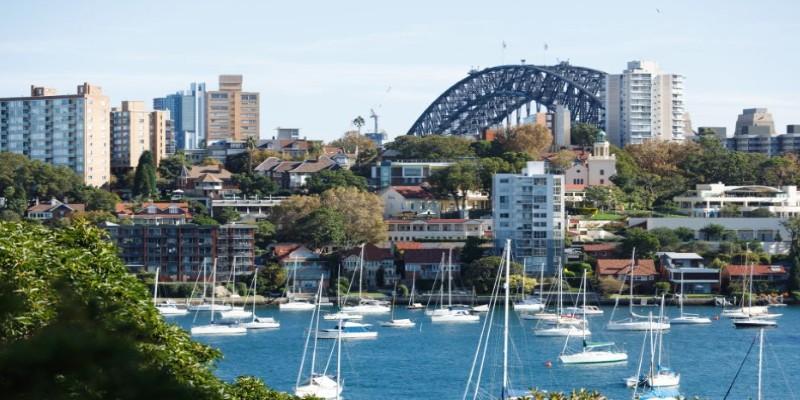
Parks and foreshore paths make it easy to keep a morning routine without hunting for green space. Prices jump near the waterline, so a block or two back often lands a better value and still keeps you close to cafés, groceries, and everyday errands.
Coogee
Coogee feels like the quieter cousin of Bondi, still by the ocean, but with fewer crowds pressing in. Mornings are made for the coastal walk toward Gordons Bay, with shady pockets, rock pools, and benches that invite a pause. The main bus lines run straight to the city and Bondi Junction, yet peak traffic can stretch the trip, so leaving earlier keeps plans on track.
Stays range from compact apartments to beachside rentals, and summer rates climb fast once school holidays start. There's no train station nearby, so check the walking distance to the bus stops before booking. Local grocers and eateries make it easy to keep routines steady between swims.
Final Thoughts
Each part of Sydney brings a different balance between space, transport, and daily comfort. Coastal areas offer fresh air but come with higher costs and seasonal crowds. Inner suburbs provide strong transport links but can feel busy during peak times. The right choice depends on daily routine, travel schedule, and tolerance for commute times. Planning around these factors makes the stay smoother and more predictable.