Barcelona can drain a wallet fast, and not only on the obvious things. A pricey breakfast near Las Ramblas, a taxi taken out of convenience, a late ticket bought after sellouts, it adds up in a day. Staying healthy can slip too, once meals turn snacky and walking plans get replaced by crowded transit. This guide keeps it realistic. Shop like locals, time the city right, move on foot, and cut the small leaks that usually ruin a budget.
Choosing the Right Season and Area
Barcelona gets pricey the moment beach season kicks in. Between May and September, flights creep up week by week, and hotels in El Born or the Gothic Quarter can vanish overnight, especially around long weekends. If saving money matters, aim for late October or early March. You still get pleasant daylight, lighter lines at big sights, and rates that feel closer to local reality. Midweek arrivals often cost less than Fridays, and check-in lines move faster, too.
Staying in the old center sounds convenient, yet it often means paying extra just to sleep near the postcard streets. Gràcia and Poble-sec usually offer better-value rooms, smaller cafés, and markets that serve residents first. Metro and buses run frequently, so crossing town for a morning walk or a beach hour rarely requires a taxi.
Off-season comes with trade-offs. Some beachfront services shut down, and winter evenings arrive early. Pack a light layer and plan outdoor time for mid-morning to late afternoon, when the city feels most comfortable on foot. Booking ahead helps most during festival weeks like La Mercè. Fare alerts reveal sudden jumps, and saved price screenshots keep group budgeting calm.
Eating Well Without Overspending
Healthy travel in Barcelona does not mean specialty health cafés every morning. Those venues cluster near tourist zones and charge premium prices for smoothie bowls and branded snacks. A more grounded approach involves local markets and neighborhood bakeries.
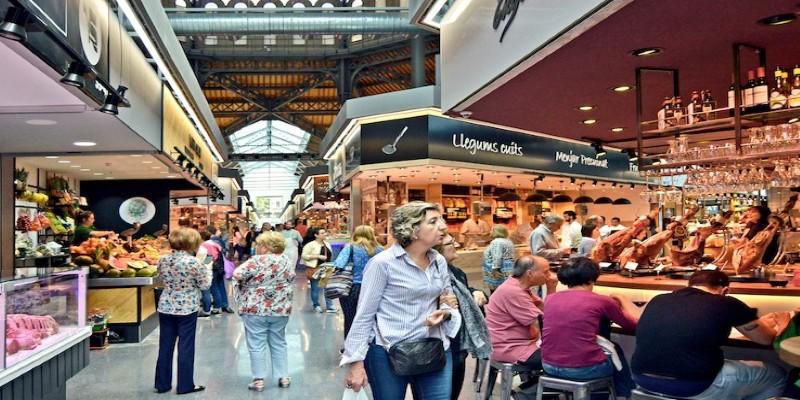
Mercat de Sant Antoni and Mercat de la Concepció sell fresh produce, nuts, olives, and ready-to-eat salads at fair rates. Purchasing fruit, whole-grain bread, and yogurt for breakfast can cut daily food spending in half. Many apartments include basic kitchens. Preparing one meal per day reduces pressure to dine out constantly.
Midday menus offer another practical solution. Restaurants across the city provide a menú del día, typically including two courses and water at a fixed price. Portions are filling, and dishes often feature grilled vegetables, legumes, and seafood. Evening dining costs rise, especially in central districts. Scheduling the main meal at lunch aligns with local habits and keeps budgets stable.
There are considerations. Menus may include heavier dishes such as fried tapas or creamy sauces. Reading posted options outside before entering prevents unwanted surprises. Carrying a refillable bottle also avoids repeated beverage purchases. Public fountains are available, though checking local advisories on water quality is wise during hotter months.
Travel planners often see confusion around tipping. Service charges are usually included. Leaving small change is acceptable but not required. That understanding avoids unnecessary overspending and keeps transactions simple.
Getting Around Actively and Affordably
Transportation can quietly erode a travel budget. Single metro tickets add up, especially for short stays. A T-casual card provides multiple rides at a reduced rate. For longer visits, integrated transport passes cover metro, buses, and trams, making daily movement predictable in cost.
Barcelona’s layout supports walking. Routes from Plaça de Catalunya to the beachfront pass through pedestrian-friendly streets. Setting a daily walking plan reduces reliance on transit while supporting physical activity. Many visitors underestimate distances during the summer heat. Starting early in the morning avoids peak temperatures and crowded sidewalks.
Bike rentals are common, though short-term pricing varies widely. Shops near the beach charge higher hourly rates. Rentals in residential areas tend to offer better value. Checking tire condition and brake function before leaving prevents mid-ride issues. Some rental contracts require passport copies, so carrying identification is necessary.
Airport transfers deserve attention. Taxi fares from El Prat can surprise first-time visitors. The Aerobus and regional trains offer lower-cost alternatives with predictable travel times. Late-night arrivals may face reduced service frequency, so checking schedules in advance prevents last-minute ride-hailing costs.
Healthy travel Barcelona strategies often overlook rest days. Overpacked itineraries lead to fatigue and impulsive spending on convenience transport. Planning lighter afternoons in nearby parks such as Parc de la Ciutadella keeps energy steady and budgets intact.
Managing Activities, Attractions, and Hidden Costs
Barcelona’s sightseeing costs can swing from a few euros to a dent in the day’s budget. Big names like the Sagrada Família run on timed entry, and the ticket desk can hit sold out at the worst moment. Booking online ahead of time keeps the price steady and saves a detour.

For zero-cost highlights, lean on the city itself. A walk along the beach, a sunrise view from Bunkers del Carmel, or a pause in a shady plaça can feel as memorable as any paid attraction. Go early on summer weekends; crowds build fast, and the heat makes lines feel longer.
Free museum windows sound great on paper, yet the queue can steal half a day. If the forecast is hot, paying a modest entry on a quieter afternoon can be the better bargain, less waiting, more time inside. Hidden fees pop up in small places. Luggage storage near Sants or França often charges by the hour, so timing checkout and trains can prevent that drip of extra spend.
Double-check airport terminals on low-cost flights; transfers can be longer than expected. Insurance and connectivity are essentials. A simple policy helps if a sprain or stomach bug hits, and a local SIM keeps maps and tickets working without surprise roaming charges.
Conclusion
Barcelona rewards patience and street-level awareness. Lower grocery prices, midday menus, and coastal walking routes create a trip that feels full without draining savings. Careful planning around seasonal spikes prevents last-minute stress and inflated room rates. Small adjustments, like carrying a refillable bottle or booking trains early, add up quickly. Budget-friendly healthy travel in Barcelona is less about restriction and more about steady, informed choices. That approach keeps both energy and expenses in balance over the long term.