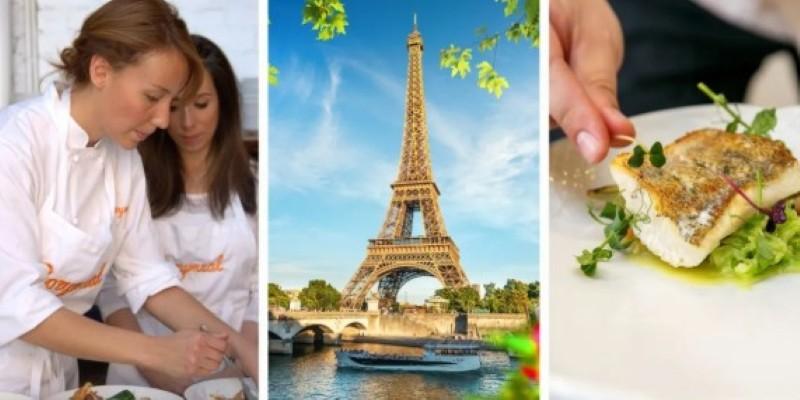
Paris offers more than pastry shops and formal dining rooms. Markets and small neighborhood tours reveal another side of daily eating. Fresh vegetables, seasonal fruit, and simply prepared dishes sit at the center of this routine. Many visitors struggle to find lighter meals in a city known for rich sauces. Local markets solve that issue. With the right timing and approach, healthy food Paris experiences become easy to access, even during short stays.
Market Culture and Daily Food Habits
Morning markets in Paris follow a rhythm tied to neighborhood life. Vendors arrive early, set up stalls, and greet regular customers by name. This pattern helps visitors see how food moves from farm to table without long storage or processing. It solves a common travel issue, limited access to fresh meals near tourist areas.
A traveler staying near Bastille, for example, can walk to Marché d’Aligre. Produce comes in small quantities, often harvested within a day or two. Tomatoes in summer taste different from those shipped long distances. Vendors slice fruit for sampling, which helps avoid buying items that do not match expectations. Timing matters.
Late morning brings the best selection, while early afternoon often leads to discounts as stalls prepare to close. This can help manage a tight budget. Still, late visits come with a trade-off, fewer choices and occasional bruised produce. Market shopping also requires small adjustments. Cash remains common, though cards appear more often now. Reusable bags help avoid extra charges.
Language gaps sometimes slow transactions, though pointing and basic phrases usually work fine. Paris markets create a setting where healthy eating feels natural rather than planned. The structure supports it. Fresh goods sit in plain view, ready to be eaten with minimal preparation.
Seasonal Eating and Practical Choices
Seasonality runs the show in Paris markets, and it’s the quickest way to tell what will taste good. Late spring brings strawberries that smell like strawberries, not water. In winter, stalls lean into roots and greens, the kind of produce that holds up in the cold and still has character. That shift matters on a short trip, since bland fruit at a high price is a fast way to waste both money and a meal.
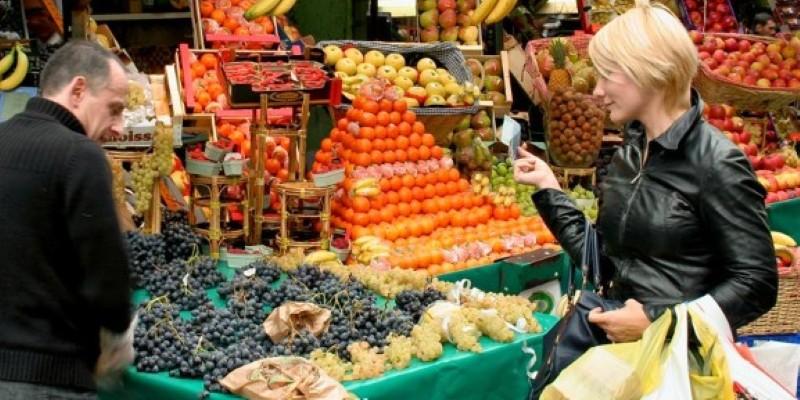
In summer, a market lunch can be almost effortless. Pick up a wedge of melon, a small bag of cherries, and a bit of fresh cheese, then eat it on a nearby bench. No kitchen, no planning, no heavy sit-down meal before an afternoon of walking. When temperatures drop, the smarter move is to look for prepared options, vegetable soups ladled hot, lentil salads, roasted vegetables, meals that feel light but still warm.
Prices swing with the first arrivals. Asparagus in April can look tempting and overpriced on the same sign. A couple of weeks later, it usually settles. One small snag, portions often fit family shopping. Asking for half a kilo can work, but not every stall agrees.
Local Tours Focused on Healthy Eating
Paris food tours often center on traditional dishes, but some now highlight lighter options and fresh ingredients. These tours help travelers avoid the common issue of choosing places based only on online ratings, which can lead to heavy meals day after day.
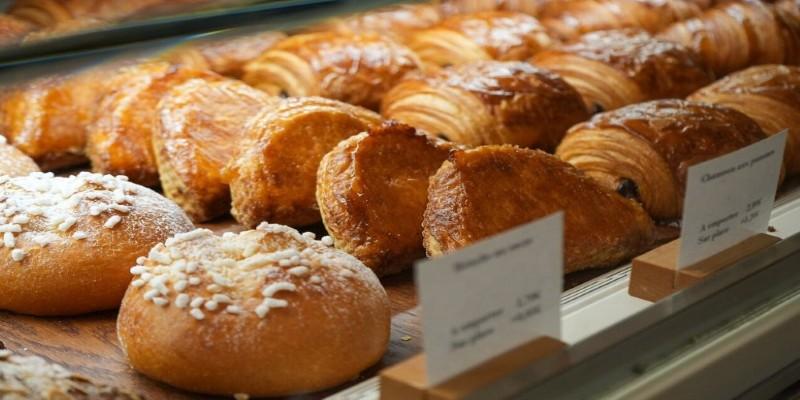
A small group tour in the Marais, for example, may include stops at a juice spot, a produce stall, and a bakery offering whole grain bread. The guide explains sourcing practices and portion choices rather than focusing only on history. This creates a more practical experience.
Tours also address communication barriers. Asking about ingredients or preparation methods can feel awkward in a busy market. A guide handles these interactions, making it easier to understand what goes into each item.
Another advantage involves route planning. Paris neighborhoods differ in food access. Some areas near major landmarks focus on quick service meals with limited fresh options. A guided route leads to places that might not appear in standard searches.
Still, tours come with limits. Fixed schedules may not match personal pace. Some stops feel rushed during peak travel seasons. Group size also affects interaction, larger groups reduce the chance to ask detailed questions. Travelers looking for healthy food Paris experiences often benefit from one guided tour early in the trip. It builds confidence for independent market visits later.
Balancing Indulgence with Everyday Eating
Paris is proud of its butter, cream, and long lunches, so skipping the rich stuff can feel like skipping the city. The trick is spacing it out. Start the day at a market with a small, clean breakfast: a cup of yogurt, a few ripe berries, maybe a handful of walnuts. It travels well and keeps you light on your feet for museum stairs and metro connections.
Save the classic meal for midday, when you have time to sit, digest, and people-watch. Then steer dinner back toward simpler plates in a neighborhood bistro: a big salad with lentils, grilled fish with greens, ratatouille, and vegetable soup in cooler months. This rhythm solves a real travel problem, the sleepy slump that hits after repeated heavy dinners, especially during packed itineraries.
Do not forget drinks. Market stalls often sell fresh-pressed juice or chilled water with citrus and mint, a welcome break from sweet sodas. There are compromises. Market eating means fewer chairs, more benches, and rain can spoil a picnic plan. Still, the freedom is worth it. Meals stay flexible, energy stays steady, and indulgence feels like a treat, not a routine. If you booked a fixed tasting tour, keep a market snack in your bag, just in case the timing runs late.
Conclusion
Healthy eating in Paris does not require strict rules or constant planning. Markets and local tours offer steady access to fresh ingredients and simple meals. They solve common travel concerns like heavy dining routines and limited healthy choices near major sights. A mix of market visits and guided experiences helps build confidence and flexibility. Over time, daily food decisions become easier, allowing more focus on enjoying the city itself while maintaining a comfortable pace.