Italy often gets framed as an expensive destination, especially during peak summer months. That view misses a quieter side of the country where daily costs stay manageable and daily routines feel lighter. Many smaller cities and less crowded regions offer fresh food, easy walking routes, and lower accommodation prices. This article looks at places where expenses stay under control while supporting a healthier pace of travel, based on patterns seen across booking trends and seasonal shifts.
Parma: Affordable Food Culture Without Tourist Pressure
Parma sits in northern Italy, but it rarely feels like a place rushing to impress. Arrive by train, and the first win is practical, the station links are dependable, so there's no pressure to rent a car or deal with parking rules. Fares from Milan and Florence can jump around, yet early departures often stay gentler on the wallet during peak weeks.
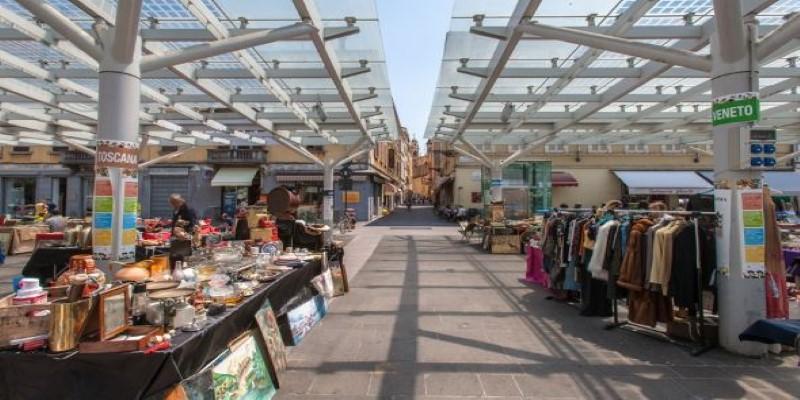
Food is the main event here, and it’s easy to keep things healthy without paying special occasion prices. Start at Mercato di Piazza Ghiaia for seasonal fruit, greens, and simple picnic staples. Local cheese shops sell small portions, perfect for tasting without waste. At lunch, many trattorias run set menus that lean on broths, grilled vegetables, and pasta served in sensible portions, usually cheaper than dinner.
Parma is a walking city. Streets stay calm, and most sights sit close enough that a daily step count climbs fast. That solves a common travel problem, spending extra just to move around. Lodging can tighten during food fairs in spring and early fall. Smaller guesthouses still offer fair rates, especially with bookings made a couple of weeks ahead.
Evenings run quietly, which can be a plus, better sleep, early starts, and fresher mornings. For a breather, Parco Ducale gives paths and benches. Pick up water and a peach, then watch locals cycle past the palace gates.
Bologna: Walkability and Mid-Range Pricing Balance
Bologna can feel like the practical choice that still delivers. It sits on one of Italy’s main rail corridors, so arrivals tend to be straightforward, even during those busy stretches when smaller stations get hit with delays and missed connections. That convenience matters when a tight itinerary meets a late train.
Once in town, the biggest perk is simple, you can walk almost everywhere. The porticoes, Bologna’s long covered walkways, make the city easy in bad weather and in summer heat. Plans stay flexible, and spending stays steadier since short taxi rides rarely become part of the daily routine.
Food is another reason budgets hold up. A filling lunch in a no-frills spot just outside the central squares often costs less than expected, and it still tastes like the region. Morning pastries and coffee can be a small daily treat without turning into a recurring expense.
Accommodation needs a bit more attention. University events and graduation periods push prices up fast, and availability can shrink overnight. A quick check of the academic calendar before booking saves frustration. Weekends can feel crowded now, but a midweek stay brings quieter streets and better rates.
Lecce: Southern Charm with Lower Living Costs
Lecce sits in Puglia's deep south, and it tends to feel like a smart pick when the goal is to keep spending steadily without giving up comfort. Getting there is the one part that can swing the budget. Summer flights into Brindisi or Bari jump fast, and the cheapest seats disappear early. Late spring and early autumn usually land in a calmer price zone, with fewer packed planes and better room choices.
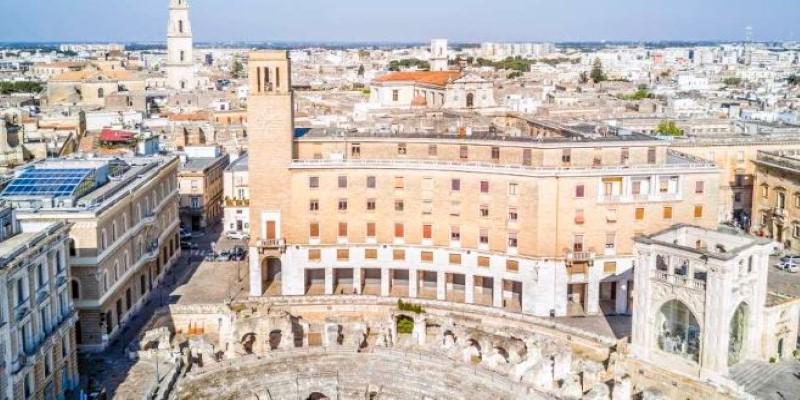
Once in town, daily costs settle down. Produce stalls and small food shops make it easy to put together a fresh breakfast or a light lunch, and even restaurant meals are less expensive than in many northern cities. Portions are generous, but it still feels easy to keep things balanced.
Lecce rewards walking. The historic center is compact, streets stay lively but not chaotic, and most stops are close enough that transport rarely feels necessary. The main catch is heat. July and August afternoons can stall plans, so mornings and early evenings work best. Lodging stays fairly consistent, though August inventory tightens, so booking a month ahead helps avoid slim pickings.
Turin: Structured City Life with Predictable Costs
Turin feels like a city built for real life, not just postcards. The streets run wide and orderly, so getting around stays simple even on a first visit. Prices tend to behave, too. Transit passes are straightforward, trams arrive on time more often than not, and a short ride can replace a pricey taxi after a late train.
Green space is part of the routine here. The river paths and big parks make it easy to put in steps between museums and cafés, and cycling fits naturally into the flow of traffic in many areas. It’s a good setup for travelers aiming to keep a steady pace instead of sprinting from landmark to landmark.
Eating well rarely turns into a budget surprise. In neighborhoods away from the main squares, lunch plates and espresso breaks land at sensible numbers, and menus don’t swing wildly from season to season the way they can in tourism-heavy hubs.
Turin does ask for a little initiative. Fewer organized tours means more self-directed days, but the payoff is space, calm, and a city that feels lived in. Lodging follows the same pattern, generally consistent year-round, with small bumps during major events. If a conference hits town, book early, otherwise last-minute deals still show up midweek often.
Conclusion
Travel across Italy does not always require high spending or packed schedules. Cities such as Parma, Bologna, Lecce, and Turin show that balanced living and controlled costs can exist side by side. Each location offers a different rhythm, shaped by food culture, street design, and seasonal patterns. Careful timing, simple planning, and attention to local routines often lead to a smoother experience with fewer surprises and better value throughout the trip.