New York City offers far more than crowded streets and paid attractions. Many outdoor spaces provide room to move, rest, and reset without spending anything. Locals often rely on these areas during busy seasons, when indoor venues feel packed or overpriced. Fresh air helps balance long travel days and tight schedules. With some planning, these places can fit into any visit. The key is knowing where to go, what to expect, and how to avoid common frustrations like peak-hour congestion.
City Parks That Support Daily Movement
Central Park is the city's best reset button, but it rewards a little strategy. Go early, when the paths still feel open, and you can walk without dodging stroller convoys or selfie clusters. After a red-eye or a long train ride, that steady loop of movement does more than burn time, it loosens tight hips and wakes up the legs.
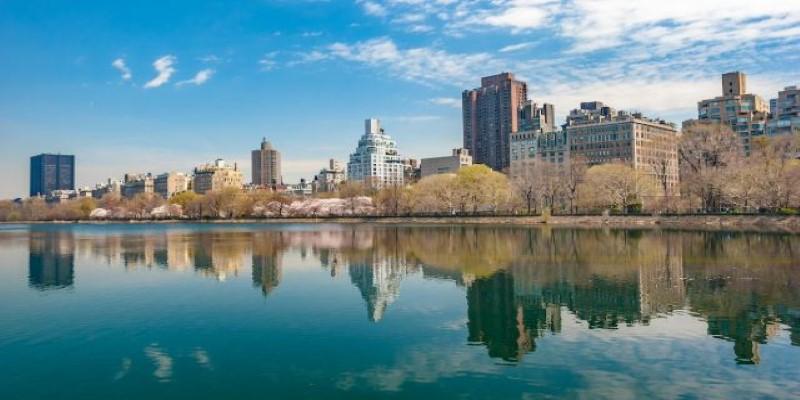
For a simple route, circle the Jacqueline Kennedy Onassis Reservoir. The track stays even underfoot, the views stay wide, and pacing is easy to keep. Mid-morning brings runners and tour groups, so sunrise hours feel smoother. Restrooms are available, yet lines spike around midday, so bring water and treat bathroom stops as part of the plan.
Prospect Park offers the same big park relief with fewer pinch points. The Long Meadow is especially good for a quiet stretch session or a slow jog, with enough space to find a corner that feels personal. Weekends can turn lively with games and gatherings, so a weekday morning usually delivers the calmest lap.
Bryant Park is small, but it's perfectly placed for busy days. It sits near subway lines, making it a breather between stops. Grab a chair, take ten minutes, then move on before the lunch crowd claims every seat. In spring and fall, a light layer helps when the shade turns cool.
Waterfront Paths and Open-Air Routes
The Hudson River Greenway is one of the rare places in Manhattan where a walk can stay a walk. No stop-and-go at every corner, no squeezing past crowds on narrow sidewalks. The path hugs the west side, with enough space to pick up the pace on a bike or keep it easy on foot. It’s a reliable fix for that common city problem: trying to move your body while traffic and intersections keep breaking the rhythm.
Late day is popular, especially around Chelsea Piers and down near Battery Park, so the route can feel busy at sunset. Mornings stay calmer, and the light off the river is hard to beat. The breeze can surprise, even in summer, so a thin layer can save the day.
Brooklyn Bridge Park works well for a slower reset. The views pull in cameras, yet there’s plenty of room to sit on the grass, stretch near the water, or use the courts at Pier 2 for a quick game. The East River Esplanade, especially around the Lower East Side, tends to be quieter, with long stretches that feel less staged. At night, lighting changes block to block, so daytime is the easier choice.
Seasonal Outdoor Programs and Free Classes
In warmer months, New York City parks turn into open-air workout rooms, no membership needed. It’s one of the easiest ways to keep a routine on a trip, especially after long days of walking, late dinners, and uneven sleep. Central Park and Prospect Park regularly host yoga, tai chi, and group fitness sessions, and the waterfront spots add a nice bonus, steady breezes and space to spread out.
Plans can shift at the last minute. Rain, heat advisories, and permit changes all happen, so a quick check of the parks department listings or the organizer’s page saves a pointless commute. Arrive a bit early if possible. The best patches of grass go fast, and some classes cap attendance once the circle fills in. Mats aren’t guaranteed, so a small towel or foldable mat keeps things comfortable.
Summer evenings bring free dance and movement sessions near Bryant Park. The vibe is friendly, even for first-timers. Staying near the edge keeps personal space intact while still catching the energy. When temperatures drop, formal classes thin out, but running and walking meetups still pop up. Turnout changes week to week, so keep the plan loose.
Green Spaces Beyond the Main Tourist Areas
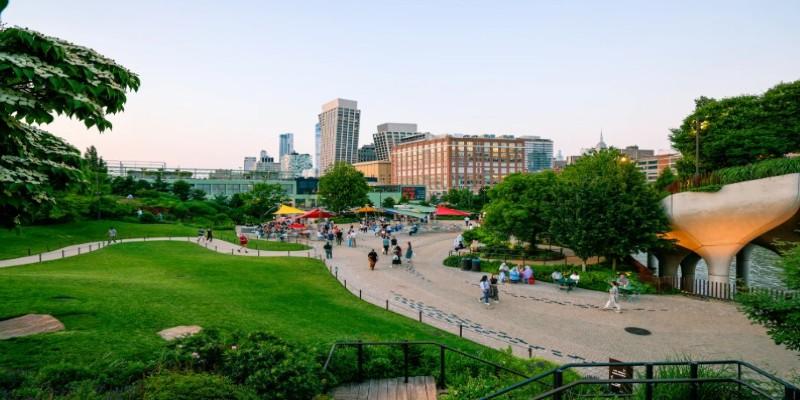
Step a little off the standard NYC checklist, and the city starts to feel calmer. The High Line is still popular, but it rewards smart timing. Go early, when the planted beds smell fresh, and the benches are actually usable. By midday, it turns into slow shuffling, so late evening can be a better reset after a busy day.
Fort Tryon Park, tucked up in Upper Manhattan, feels like a different city. Paths curve through trees, the air runs cooler, and there are pockets of shade made for an unhurried break. The trip north takes effort, yet that extra subway time filters out the crowds.
Randall’s Island is even quieter. The pedestrian bridges drop you into wide fields and long, flat routes that suit steady walking, stretching, or a simple run without constant street crossings. Bring water and check restroom locations, since services are spread out.
Governors Island adds a clean, traffic-free change of pace, but it runs on ferry time. Aim for an early boat, keep an eye on the return schedule, and avoid the last departure rush on warm weekends. In summer, shade fills fast, so claim a spot, then let the city noise fade for a while.
Conclusion
New York City supports outdoor activity without requiring a budget, yet timing and location shape the experience. Early hours often provide the best conditions, while midday crowds can limit comfort. These spaces help balance packed travel days, offering room to move and rest. Careful planning avoids common issues like overcrowding or limited access. A flexible approach works best, allowing adjustments based on weather, season, and daily city patterns.